
NEW YORK (AP) — Shares tumbled Tuesday in Asia and U.S. futures also fell ahead of the release of U.S. employment and inflation reports that could drive the direction of interest rates.
Tokyo's Nikkei 225 declined 1.2% to 49,544.21 as preliminary factory data showed manufacturing slowing slightly. The S&P Global Flash purchasing managers index rose to 49.7 from 48.5 in November on a scale of up to 100 where 50 marks the cut off for expansion.
Investors are watching Japanese data carefully ahead of a Bank of Japan policy meeting on Friday that is widely expected to result in an interest rate hike that could rattle world bond and cryptocurrency markets.
Chinese markets also retreated after data for November, released Monday, came in weaker than expected. Retail sales rose at their slowest rate since 2022, during the pandemic, at 1.3% from a year earlier in November. Lending and investment also weakened.
“Overall, the data set confirms a loss of momentum into (the) year-end and is consistent with our growth forecasts that moderating to around 4%” in the last quarter of this year, Tan Boon Heng of Mizuho Bank said in a report.
Hong Kong's Hang Seng dropped 1.9% to 25,139.16, while the Shanghai Composite index lost 1.2% to 3,820.85.
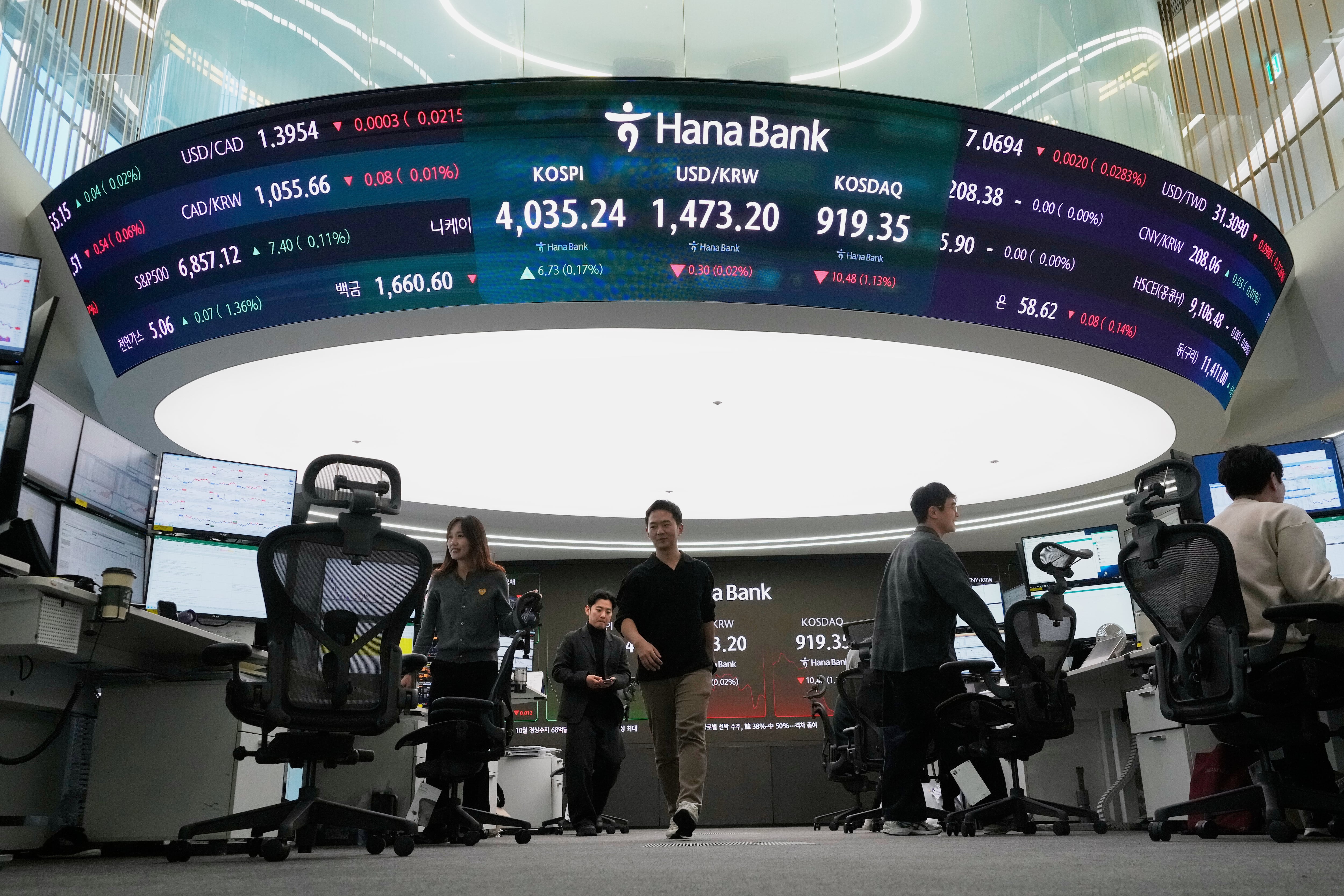
South Korea's Kospi gave up 1.5% to 4,027.83, while the Taiex in Taiwan lost 1.1%.
Australia's S&P/ASX 200 shed 0.6% to 8,583.00.
Shares in Roomba maker iRobot sank 9.3% in after hours trading after the company filed for Chapter 11 bankruptcy protection. That was on top of a nearly 73% decline on Monday. The company know for its robotic vacuums has struggled with increased competition but said it doesn’t expect any disruptions to its devices as it is taken private under a restructuring process.
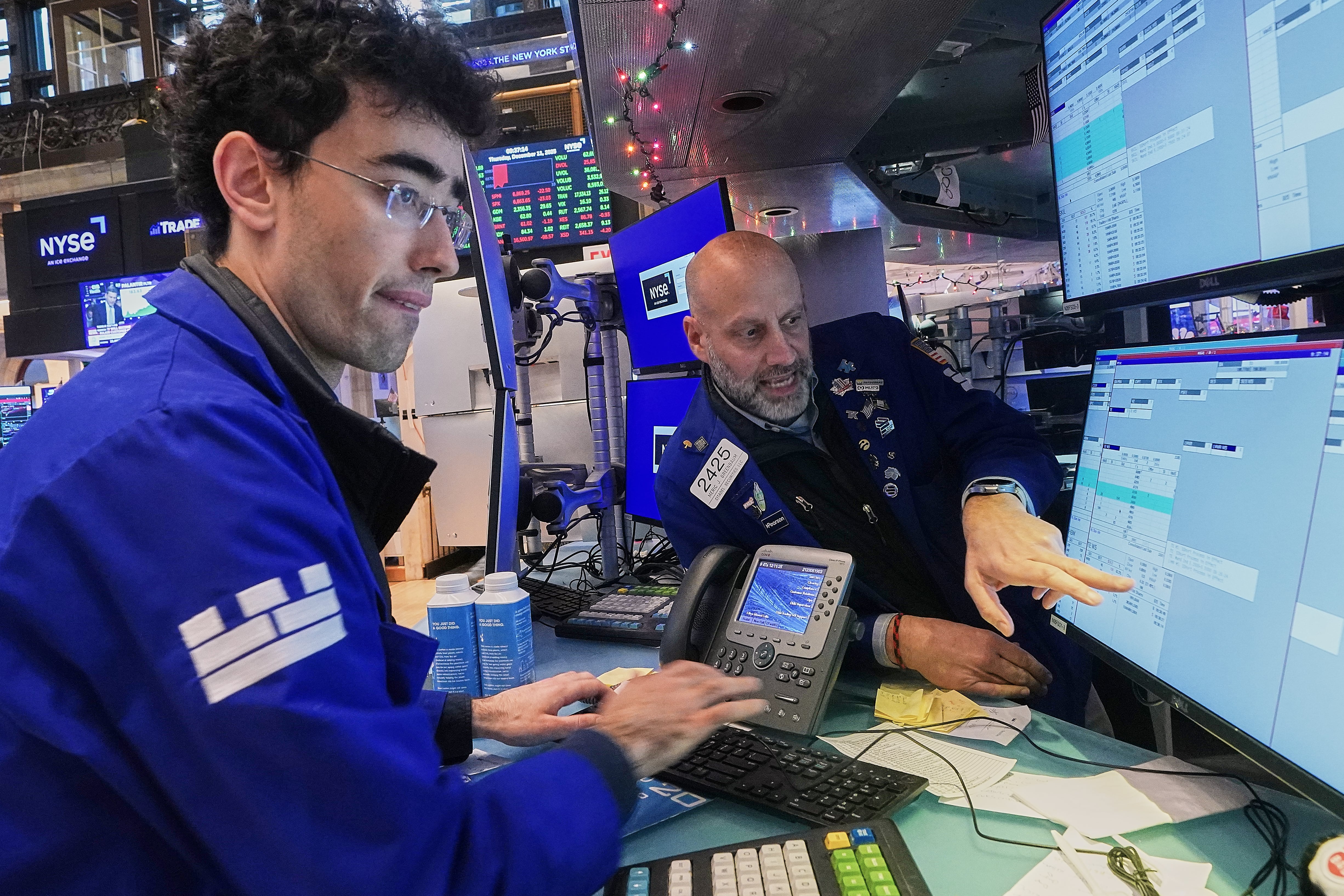
On Monday, the S&P 500 slipped 0.2% to 6,816.51, though the majority of stocks within the index rose. The Dow Jones Industrial Average dipped 0.1% to 48,416.56, and the Nasdaq composite fell 0.6% to 23,057.41.
Artificial-intelligence -related stocks, which were mixed following last week’s swings, helped keep gains in check.
Nvidia, the chip company that’s become the face of the AI boom, added 0.7%. But Oracle sank another 2.7% following its 12.7% tumble last week, its worst in more than seven years. Broadcom fell 5.6%.
AI stocks have wobbled on worries that the billions of dollars flowing into chips and data centers may not yield a big-enough payoff.
The main focus on Wall Street this week, apart from AI, will be several big updates on the U.S. economy.
Economists expect the jobs report from November, due Tuesday, to show employers added 40,000 more jobs than they cut during the month. An update on inflation Thursday is forecast to show U.S. consumers paid prices that were 3.1% higher in November than a year before.
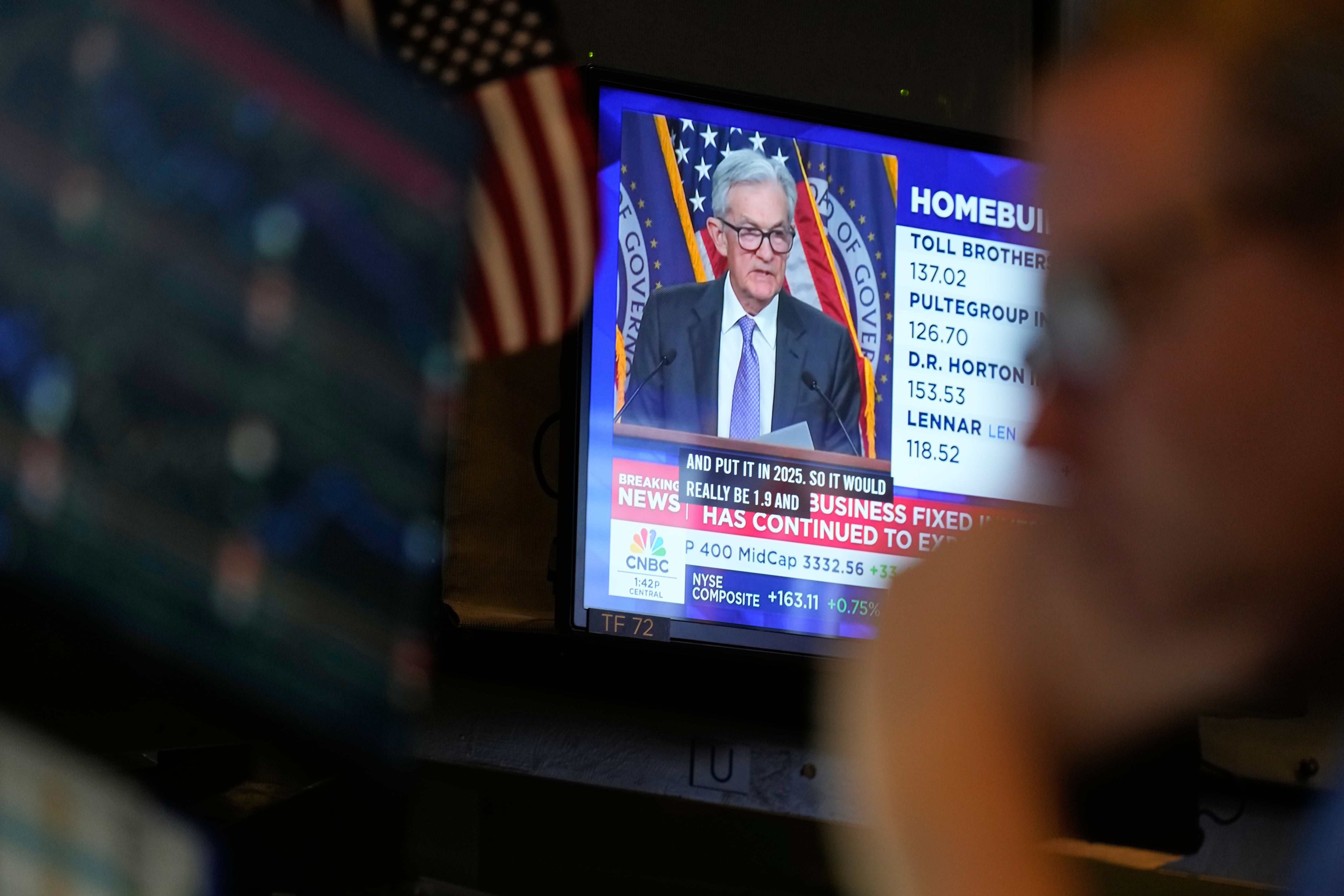
Investors are hoping that the job market will weaken by just enough to get the Federal Reserve to lower interest rates, but not so much that the economy slips into recession. Lower rates help boost the economy and prices for investments, but also may worsen inflation.
Economists expect Tuesday’s report to show the unemployment rate at 4.4%, which would keep it near its highest and worst level since 2021.
In other dealings early Tuesday, U.S. benchmark crude oil lost 32 cents to $56.50 per barrel. Brent crude, the international standard, fell 33 cents to $60.23 per barrel.
The U.S. dollar slipped to 154.81 Japanese yen from 155.21 yen. The euro fell to $1.1753 from $1.1755.
___
AP Business Writer Stan Choe contributed.
Copyright 2025 The Associated Press. All rights reserved. This material may not be published, broadcast, rewritten or redistributed without permission.